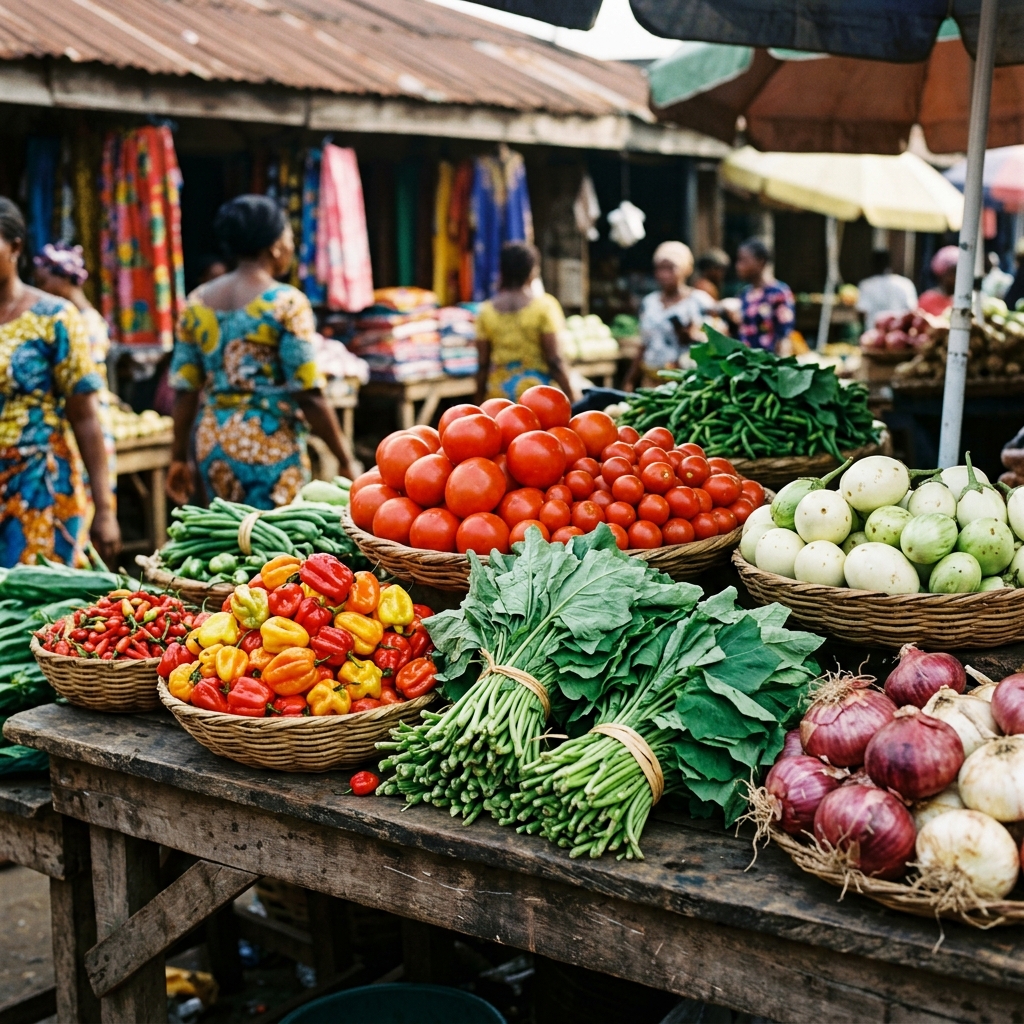
The Right Way to Grind Ogbono & Other Seeds for Optimal Soup Thickness and Flavor
Ogbono, egusi and every other seed has its own special attitude. Grind them wrong, and your soup will tell everyone what a disaster your kitchen skills are.

In this article
Ogbono, egusi, and every other culinary seed has its own unique "attitude." Grind them wrong, and your soup will tell the story of a kitchen disaster before the first spoon hits the mouth.
The Queen of Seeds: Ogbono
Ogbono is a Queen—delicate, particular, and demanding of respect. It hates two things above all else: heat and impatience.
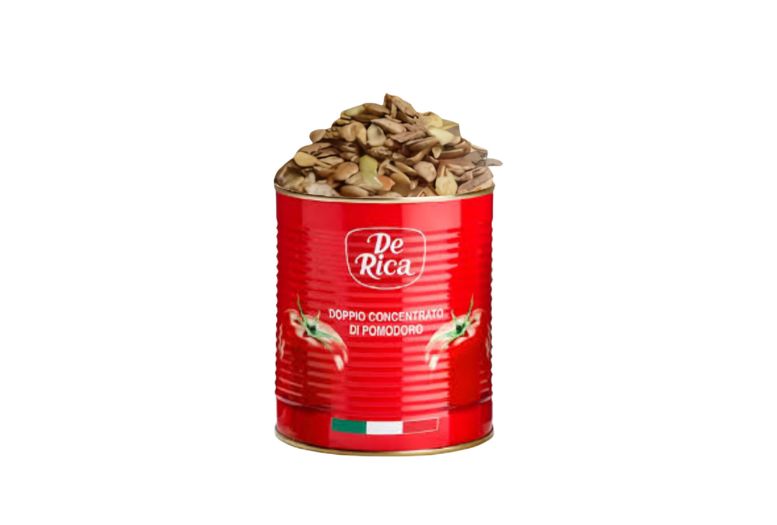
When you buy fresh Ogbono Seeds, treating them with care is paramount. If the seeds get too hot during the grinding process, they "cook" prematurely and will refuse to draw when they hit the pot.
Pro Tip:
Grind in small batches. Let the blender or grinder cool down between rounds. The goal is to release the oils without heating the protein structure of the seed.
Egusi Etiquette
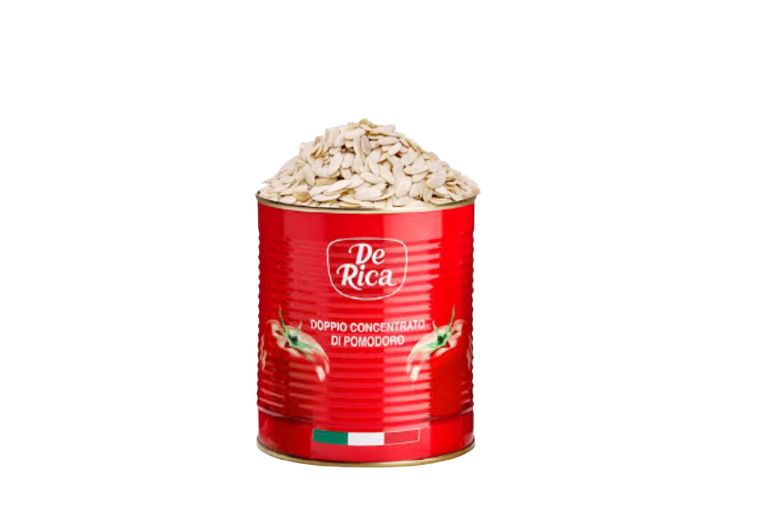
Egusi Seeds are more forgiving but have their own rules. While dry-grinding is standard, wet-grinding can unlock a richer texture. However, proceed with caution: wet-ground seeds spoil almost instantly if not used or frozen immediately.
The "Separated Grind" Secret
One of the biggest mistakes in Nigerian kitchens is mixing everything in the blender for convenience. Ogbono, Crayfish, and pepper all behave differently under pressure.
- Ogbono: Needs a smooth, cool grind to maximize its mucilage (the "draw").
- Crayfish: Needs a quick, pulsed grind to retain its gritty flavor profile.
- Seeds: Require focused grinding to release their natural oils without turning into a paste too early.
Storage: Your Soup's Best Friend
Heat and moisture are the eternal enemies of ground seeds. Always use airtight containers and store them in a cool, dry place. If you've ground a large batch, the freezer is your best friend to keep the oils from going rancid.
Shop this article
Skip the market stress
Get fresh ingredients delivered to your doorstep in Lagos within 3 hours.